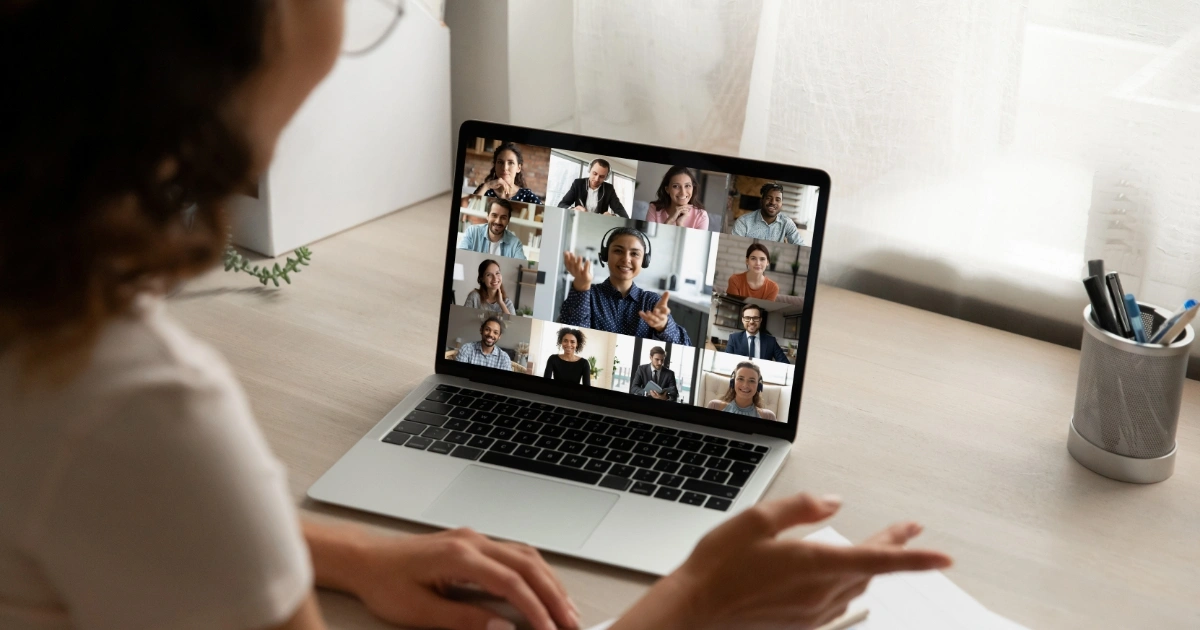

The homogenous workforce no longer exists — people come from different backgrounds, experiences, and learning preferences. The diversity of this population is both an asset and a challenge to developing effective training programs. Training in a one-size-fits-all approach often misses the mark, leaving other employees unengaged or unable to retain essential knowledge. That is why organizations must adopt a more granular approach, and considering learning styles will greatly help. Learning styles are more than a theoretical discussion—they shape the ways in which companies prepare their workforce and ensure ongoing employee development.
Training delivered according to these personalized learning styles engages employees, increases information retention, and helps them apply it on the job. The different learning styles are visual, auditory, kinesthetic, etc. Recognizing and catering to these learning styles takes careful planning and the ability to modify traditional approaches to learning to suit the learner’s individual needs.
The Impact of Learning Styles on Training Effectiveness
Ignoring employee learning styles in workplace training can lead to disengaged employees, poor knowledge retention, and wasted money. Conversely, training methods aligned with the way an individual learns can:
- Enhance Engagement: When the training format fits the employee’s natural preferences in learning, he is more likely to stay engaged in the process.
- Boost Retention: Tailored training combines content with an intuitive, memorable structure that helps employees remember information.
- Better Application: When employees have a solid grasp of the learning material, they will be better able to apply the concepts learned in the real world.
Learning styles are not the be-all and end-all of performance. By understanding an individual’s learning style, we can do more than help them perform—we can create a culture of inclusivity that benefits the organization and, thus, its individuals.
Leveraging Technology for Multimodal Training
With modern learning management systems (LMS) and digital tools, we can accommodate multiple learning styles at once more easily than ever before. For instance:
- Interactive tools allow video, audio, text and quizzes to be emulsified in a single module, catering to different learning preferences.
- Kinesthetic learners benefit greatly from VR simulations, which provide hands-on training with a digital touch.
- Adaptive learning technologies leverage AI to adjust content delivery according to an employee’s demonstrated preferences and progress.
Organizations can utilize such methodologies to provide their employees with multimodal training that suits them.
The Role of Managers and Trainers
The human element in training remains essential, even as technology plays a significant role. Managers and trainers must:
- Assess Learning Styles: Use surveys, quizzes, or informal feedback to understand employees’ preferred learning styles.
- Develop A Growth Mindset: Allow employees to try different learning methods.
- Provide Support: Be the person who is there to answer your audience’s questions and help them understand what you told them.
Overall, a supportive and flexible style will make employees feel valued and understood, which will positively reflect on their work and results.
Challenges and Considerations
Using learning styles in training is useful, but it comes with its own challenges. For example:
- Finding time and resources to develop new training plans on demand for disparate teams can be difficult.
- The way employees perceive their learning style may not fit their actual best preference or need.
- Focusing too much on learning styles without considering wider training goals can weaken the program’s effectiveness.
Like many personal aspects, learning styles are best received in moderation, so organizations that balance their points with their business needs are usually the most effective.
Conclusion
Recognizing and utilizing learning styles has become a preference and a need within organizations looking to prosper and progress in the modern competitive environment. When organizations tailor training programs to the different archetypes of how their workforce learns, they can help employees reach their full potential, improve retention, and fuel meaningful outcomes.
It is not a one-time task but a systematic effort to become adaptable and inclusive. With suitable strategies and tools, businesses can enable employees to develop, innovate and add value to the organization’s long-term success.
Frequently Asked Questions (FAQs)
-
remove How can I accommodate different learning styles in the workplace?Training should be provided in several formats—visual presentations, textual guidelines, hands-on exercises, and interactive discussions—to accommodate all learning styles. Allow employees to choose the approaches that are most suitable for their specific situations. Utilize adaptable learning technology and offer self-paced options to foster a culture of open inquiry and constructive feedback, supporting participants. Employees who are included are likely to stay engaged, remain loyal, and perform better—all of which benefit the team as a whole.
-
add How does culture affect employee learning styles?Culture strongly influences employee learning preferences. For example, individuals from communal cultures may thrive in group or collaborative learning approaches, while those from individualistic cultures may prefer self-paced or independent study methods. In addition, asking questions, discussing ideas, or pushing back can help people become more comfortable with communicating, navigating hierarchies, and receiving feedback within an organization. Knowing cultural differences provides firms with an opportunity to create inclusive and engaging training that fits their employees.
-
add What are the different types of learning styles?Employees generally learn in different ways, so it's useful to identify their learning styles to customize training for optimal results.
- Visual Learners prefer images, diagrams, charts, and written instructions.
- Auditory Learners learn best through listening to spoken instructions, discussions, and podcasts.
- Kinesthetic learners learn best through hands-on experiences, simulations, and physical activities.
- Reading/Writing Learners learn best through reading and writing notes and summaries.
- Social Learners flourish within groups and investigate their knowledge through discussions and collaborations.
- Solitary Learners learn best when they can study, reflect, and work at their own pace. Recognition of these personal and group learning styles allows organizations to design employee training programs that strive for greater inclusivity and effectiveness.
-
add How does an LMS impact modern workplace learning styles?A Learning Management System (LMS) revolutionizes workplace learning by supporting personalized, flexible, and on-demand instruction. Employees can learn at their own pace, on a device of their choice, and engage with content in a variety of formats, including videos, quizzes, simulations, and more. LMS platforms can further promote microlearning and ongoing upskilling, aligning with today's fast-paced, hybrid working environments.