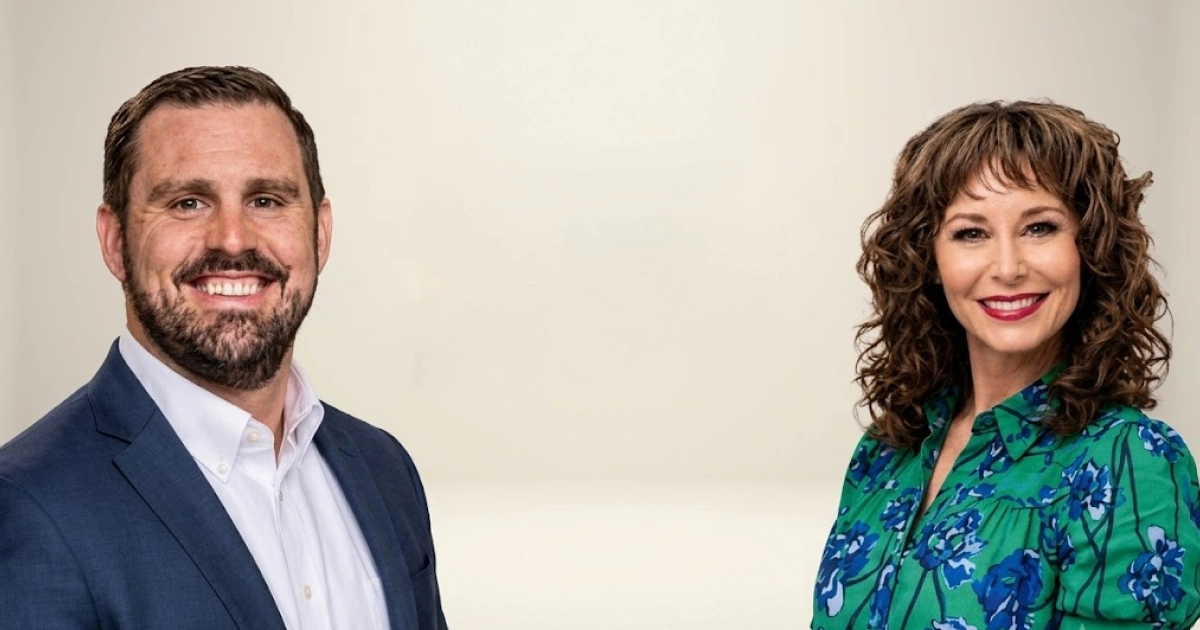



Kelsey Kates is a learning and development leader with more than 20 years of experience across nonprofits, startups, and global technology companies. She spent a decade at Google, where she built learning programs for analysts and helped launch the Facilitation Academy, one of the company’s first large-scale facilitator certification programs. Most recently, she led global learning initiatives supporting more than 30,000 Googlers. Today, Kelsey is the founder of Playfully Works, where she helps organizations rethink leadership, learning, and collaboration through the power of playfulness. Her work blends neuroscience, leadership development, and practical strategies to make work more human, engaging, and impactful.
Nolan Hout, Senior Vice President, Growth, Infopro Learning
Nolan Hout is the growth leader and host of this podcast. He has over a decade of experience in the Learning & Development (L&D) industry, helping global organizations unlock the potential of their workforce. Nolan is results-driven, investing most of his time in finding ways to identify and improve the performance of learning programs through the lens of return on investment. He is passionate about networking with people in the learning and training community. He is also an avid outdoorsman and fly fisherman, spending most of his free time on rivers across the Pacific Northwest.
What happens when professional growth stops feeling like a chore and starts feeling playful? In this episode, Nolan and Kelsey discuss bringing playfulness into the workplace, why it matters, how it improves leadership and learning, and the neuroscience behind creating more human, engaging work environments.
- How Kelsey transitioned from analytics into learning and development at Google.
- The story behind creating Google’s Facilitation Academy.
- Why playfulness is not the same thing as “forced fun” at work.
- How leaders can build trust and authenticity through playful leadership.
- The neuroscience behind playfulness, engagement, and learning retention.
- Why psychological safety and playfulness reinforce each other in teams.
- Simple ways leaders can introduce playfulness into meetings and feedback.
- How storytelling, music, and small rituals can change workplace dynamics.
- Why human connection is becoming even more important in the age of AI.

Playfulness isn’t about forced fun or ping-pong tables. It’s a mindset that lets people experiment, connect, and do better work.
Founder, Playfully Works
Introduction
Nolan: Hello everyone and welcome to the Learning and Development Podcast sponsored by Infopro Learning. I’m your host, Nolan Hout. Today we have Kelsey Kates joining us. Kelsey has over 20 years of experience across nonprofits, startups, and spent a decade at Google.
Today we’re talking about something fun—professional growth that feels less like a chore and more playful. I’ve done my boring introduction, so I’ll pass it to Kelsey. Kelsey, welcome.
Kelsey: I’m ready to get to work, Nolan. Well, done.
Kelsey’s Career Journey
Nolan: Tell us about your background. How did you get into learning, corporate training, and talent development?
Kelsey: How far back do you want me to go? Childhood problems included.
Nolan: We can start with your 10 years at Google. I’m guessing you covered a lot of ground there.
Kelsey: I feel lucky to have worked there. Before Google I worked in nonprofits, tech, and startups. I wanted to work somewhere that truly cared about people.
I applied to Google without knowing anyone there, which is rare. My background was in marketing and analytics, and I started in an analytics role. I thought I’d do great work immediately, but I realized the learning experience for analysts was terrible.
So, I wrote a note to senior leaders saying there had to be a better way. Three months later my job became creating learning and development for analysts across Google.
I was a team of one at the start. Analysts were brilliant but needed help facilitating learning and presenting. So, I created Facilitation Academy, which became the first certified facilitator program at Google. Thousands of people eventually went through it.
Later I led a global team delivering learning for about 30,000 Googlers across sales, analytics, coaching for managers, and more.
Leaving Google
Nolan: That’s impressive. Now you’ve recently left Google to start your own company. What gave you the courage to make that leap?
Kelsey: The honest answer? I’ve been thinking about it for years. I even found an old document outlining a business plan.
After returning from maternity leave, leadership changes happened and my role shifted significantly. Around the same time my husband left his corporate job.
The two things I wanted to optimize were impact and flexibility. My impact at Google was changing, so this felt like the moment to build something of my own.
Nolan: That’s powerful. A lot of people never figure out what they value most.
Kelsey: Thank you. It still feels brave. I’m only two weeks out from Google. Sometimes at 3 AM with a sick toddler I wonder if I told the whole world I’m starting my own thing. But I’m excited.
The Idea Behind Playfulness
Nolan: Tell us about what you’re building.
Kelsey: During my time at Google, I attended a workshop called Magic Academy. One exercise involved passing around a stuffed monkey to encourage playfulness. The lesson was simple: you don’t have to be serious to do serious work.
Over time I noticed that many people saw me as serious and challenging in meetings. Then one day I was in a long meeting, staring at my reflection on the screen looking miserable.
My job was to create delightful learning for 30,000 people, yet I wasn’t bringing that energy into everyday work. So, I started training facilitators on playfulness—not forced fun or gamification, but a mindset: lightheartedness, experimentation, humor, movement, and curiosity.
The deeper I went into the neuroscience of play, the more convinced I became that playful work leads to better learning and better results.
What Playfulness Actually Means
Nolan: What does playfulness really mean? Is it wearing backwards hats?
Kelsey: I brought props just in case. Playfulness is a mindset. It’s lightheartedness and letting go of excessive self-importance. Professionals often feel pressure to be serious and polished. Playfulness relaxes that.
It means being open to experimentation, humor, movement, and creativity while still doing serious work.
Nolan: Does it also mean expressing your authentic self?
Kelsey: Yes. I believe everyone is playful. The question is whether they feel safe enough to show it.
Research by Dr. Stuart Brown describes eight play personalities. Some people express play through humor, others through creativity, storytelling, collecting, or organizing events. My play personality is organizing experiences. My husband’s is spontaneous silliness with our kids.
Everyone has it, it just shows up differently.
Where Playfulness Fits at Work
Nolan: Is your company focused on changing culture or improving learning programs?
Kelsey: Both, but realistically culture change starts small. If I walked into a bank and announced, “Fun Fridays and ping pong tables,” people would tell me to leave.
Instead, I focus on leaders and everyday interactions. For example:
- How leaders run meetings
- How feedback is delivered
- Whether people feel safe speaking up
A leader might begin a meeting by asking, “What’s something you tend to overanalyze?” That small playful moment gets everyone speaking and engaged. The goal is to work better through stronger human connection.
Why Playfulness Matters Today
Nolan: Is playfulness more important today than in the past?
Kelsey: Yes. Recent studies show that playful leaders in competitive environments are seen as more trustworthy, authentic, and likable. They stand out because they break the norm.
With AI handling predictable tasks—writing emails, summarizing notes—human interaction becomes the differentiator. Rapport, trust, and authenticity matter more. Playfulness strengthens those human connections.
The Neuroscience of Play
Nolan: Let’s talk about the neuroscience behind this.
Kelsey: When someone receives a message like “We need to talk,” the brain reacts as if facing a physical threat. Blood flow shifts from the prefrontal cortex to the amygdala, triggering fight-or-flight. Playfulness reduces that threat response.
For example, instead of sending a message saying, “Quick feedback meeting,” a leader could say: “Quick high-five and debrief on your project.” That small shift lowers anxiety and keeps people engaged.
Playfulness also increases dopamine and oxytocin, improving focus, trust, and memory while lowering cortisol and stress.
Practical Ways to Add Playfulness
Nolan: What are some practical ways leaders can introduce playfulness?
Kelsey:
- Warm Communication — Start messages with warmth or personal context. Even a short human moment helps.
- Playful Out-of-Office Messages — Instead of generic replies, add humor or personality.
- Purposeful Meeting Openers — Begin meetings with quick prompts or check-ins to get everyone speaking.
- Music and Energy — Create a team playlist and start meetings with a pump-up song.
- Stories and Analogies — Use stories connected to your audience’s interests. Stories make information memorable.
- Props and Themes — Use simple props like hats or visual cues during brainstorming or role-based discussions.
Playfulness and Leadership
Nolan: Some leaders might think fear motivates people.
Kelsey: Fear can produce compliance but not innovation. Respect produces engagement.
If people fear their leader, they won’t share bold ideas or honest feedback. Playfulness signals psychological safety, which allows creativity and honest communication.
The Bigger Impact
Nolan: I loved your example of renaming executive meetings the “Italian chefs meeting.” It changes the tone.
Kelsey: Exactly. Small playful moments reduce stress and increase connection. Playfulness won’t solve burnout on its own, but it softens stressful environments and makes collaboration easier.
Closing Thoughts
Nolan: We’ve gone over time because this conversation has been too much fun. If listeners want to learn more, Kelsey’s company is Playfully Works. You can find her on LinkedIn.
Thank you for joining us.
Kelsey: This was a delight. Thank you.